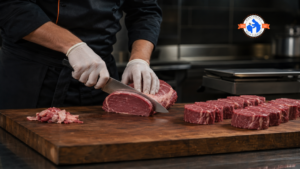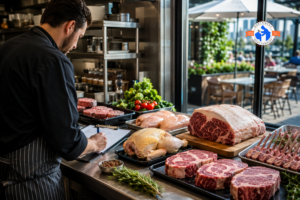
In most kitchens, the difference between a smooth service and a frustrating one is not a recipe. It is the product that arrives before prep even begins. Long before a steak hits the grill or a chicken breast is seasoned, the outcome of that plate has already been shaped on the cutting table. This is where consistency is either built or lost.
For operators, portion control is often discussed in terms of cost and inventory. In reality, it shows up first on the plate. Uneven cuts, inconsistent trim, and variable weights force cooks to adjust in real time. They slow down the line, create visual inconsistency, and disrupt the rhythm of service. Over the course of a shift, these small variations compound into larger operational problems.
From the cutting room perspective, consistency is not accidental. It is a process that requires discipline, attention to detail, and a clear understanding of how the product will be used in the kitchen. When cut-to-spec is done correctly, it removes friction from service and allows kitchens to operate the way they are designed to.
What Cut-to-Spec Means and Why It Is Not the Same as Box Product
Cut-to-spec is often misunderstood as simply ordering portioned meat. In practice, it is something more precise. It means that every cut is produced according to a defined set of requirements that match how a kitchen plates and serves its food. Weight, thickness, trim level, and presentation are all controlled to meet a specific standard.
Box product, by contrast, is built for general use. It offers convenience and speed, but it is not tailored to the needs of a particular operation. Portions may fall within a broad range, but they are not designed around a specific menu. This creates variability that kitchens must correct during prep or service.
When a supplier cuts to spec, the process is reversed. The menu defines the cut, not the other way around. If a kitchen needs an eight ounce strip with a specific thickness and trim level, that is what is produced consistently. The goal is not to provide a usable product. It is to provide a ready product that fits directly into service without adjustment.
Where Spec Drift Shows Up in the Kitchen
Spec drift is what happens when the product that arrives does not match the product that was expected. It is often subtle at first, but its impact is immediate.
One of the most common signs is re-trimming. When proteins arrive outside the requested trim level or weight, cooks are forced to correct them during prep. This takes time, introduces inconsistency, and creates unnecessary waste. What should have been a finished portion becomes a starting point for additional work.
Visual inconsistency is another clear indicator. When portions vary in size or shape, plates begin to look different from one service to the next. Guests notice when one steak appears larger than another or when a chicken breast looks thinner than expected. These inconsistencies affect perception even when the difference is small.
Yield disruption follows quickly. When an eight ounce strip arrives closer to ten ounces, or a seven ounce chicken breast arrives at five, portion planning breaks down. Kitchens either over-serve or compensate by adjusting portions on the fly. Neither option supports consistency.
Guest feedback often reflects these issues directly. Complaints about portion size, uneven cooking, or inconsistent presentation are rarely caused by the recipe. They are usually rooted in the product itself.
Spec drift is not just a quality issue. It is an operational one that affects speed, consistency, and guest experience.
What Goes into Holding a Tight Tolerance
Delivering consistent product at scale requires more than cutting skill. It requires a structured process that controls variation at every step.
Portion control begins with precise weighing. Each cut is measured against the target weight, and adjustments are made to bring it within tolerance. This is not done randomly. It is done systematically across batches to ensure that every piece meets the same standard.
Trim decisions are equally important. The amount of fat left on a cut affects both cooking performance and plate appearance. A consistent fat cap ensures that proteins cook evenly and present the same way every time. Inconsistent trim leads to uneven cooking and visual variation.
The spec sheet acts as the reference point for all of these decisions. It defines what the product should look like, how it should be cut, and what is acceptable. On the cutting floor, this document is not a suggestion. It is a contract that guides production and quality control.
Aging rotation adds another layer of discipline. Wet-aging and dry-aging programs require careful tracking to ensure that product is used within the intended window. Aging affects texture, flavor, and moisture retention. Without proper rotation, even well-cut portions can perform inconsistently in the kitchen.
Maintaining tight tolerance is not about perfection. It is about repeatability. The goal is to deliver the same product, cut the same way, every time it is ordered.
Custom Cuts and What Your Supplier Should Be Willing to Do
Not every kitchen operates the same way, and not every menu requires the same cuts. A capable supplier understands this and is willing to adapt.
Custom portion weights allow operators to match product to their menu exactly. Whether a dish calls for a six ounce portion or a ten ounce portion, the cut should reflect that requirement without adjustment in-house.
Trim levels and thickness can also be tailored. Some operations prefer leaner cuts for cleaner presentation, while others rely on specific fat levels for flavor and cooking performance. Thickness affects cook time and consistency, particularly for grilled or seared items.
Aging programs can be customized as well. Some kitchens prefer shorter aging for a fresher profile, while others require extended aging for deeper flavor. The ability to control this variable adds another level of precision.
The difference between suppliers often comes down to flexibility. Fixed product lists offer limited options. Cut-to-spec operations are built around the buyer’s needs. They adjust the product to fit the kitchen, not the other way around.
To explore how custom cuts and specifications can be supported in practice, review NWMC’s capabilities on the Northwest Meat Company products and services pages.
How to Write a Spec Sheet That Works
A spec sheet does not need to be complex, but it does need to be clear. It is the document that aligns expectations between the kitchen and the cutting room.
At a minimum, it should include the cut name, target weight, and acceptable tolerance. It should define the trim level, including how much fat is left and where it is located. Thickness should be specified when it affects cooking performance.
Packaging details are also important. How the product is packed and labeled influences how it is handled in the kitchen. Clear labeling supports faster prep and reduces confusion during service.
Acceptable substitutions should be defined in advance. This prevents last-minute decisions when product availability changes and ensures that any adjustments remain within acceptable standards.
The purpose of the spec sheet is accountability. It gives both the supplier and the operator a clear reference point. When the product arrives, it can be evaluated against a defined expectation rather than a general assumption.
Conclusion
Cut-to-spec consistency is not an abstract concept. It is a daily operational advantage. When portions arrive as expected, kitchens move faster, plates look consistent, and service runs with fewer interruptions.
From the cutting room perspective, this consistency is built through controlled processes, disciplined execution, and clear communication with the operator. Every decision, from trimming to weighing to aging, contributes to how the final plate performs.
For operators, the benefit is simple. Less adjustment. More control. A product that fits the menu the way it was designed.
In the end, what happens between the primal and the plate is not invisible. It shows up in every service.