






 Chicken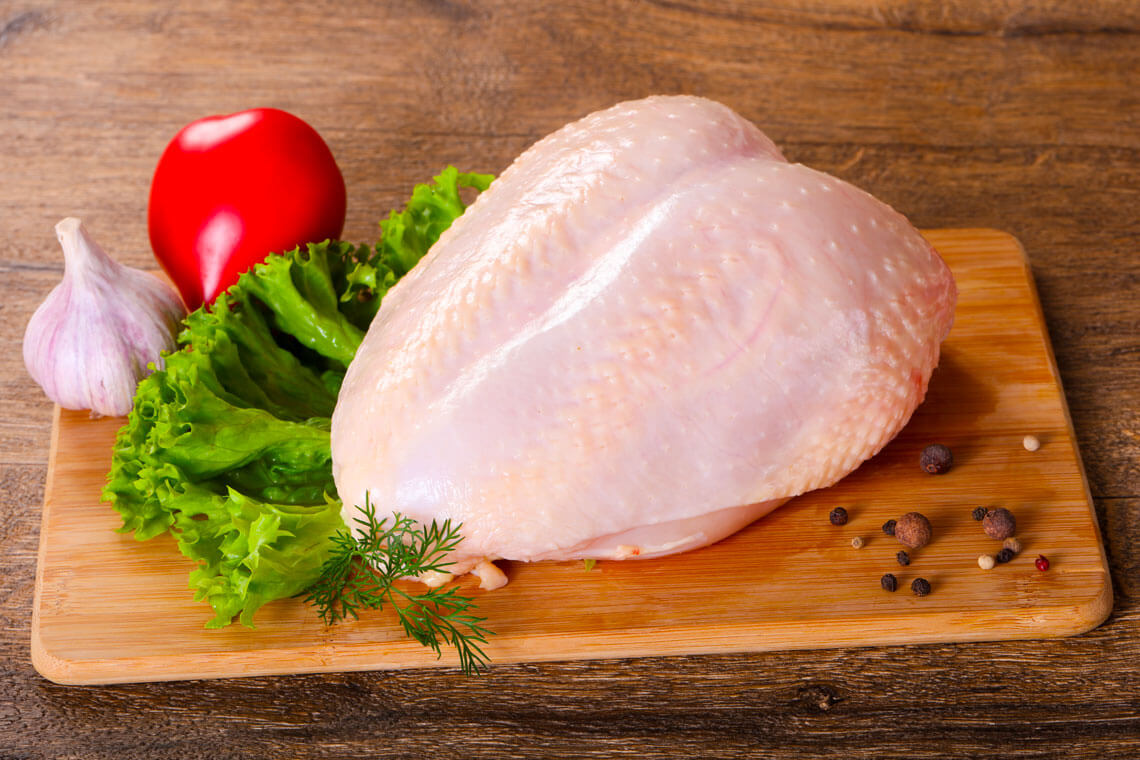
 Pork
Pork 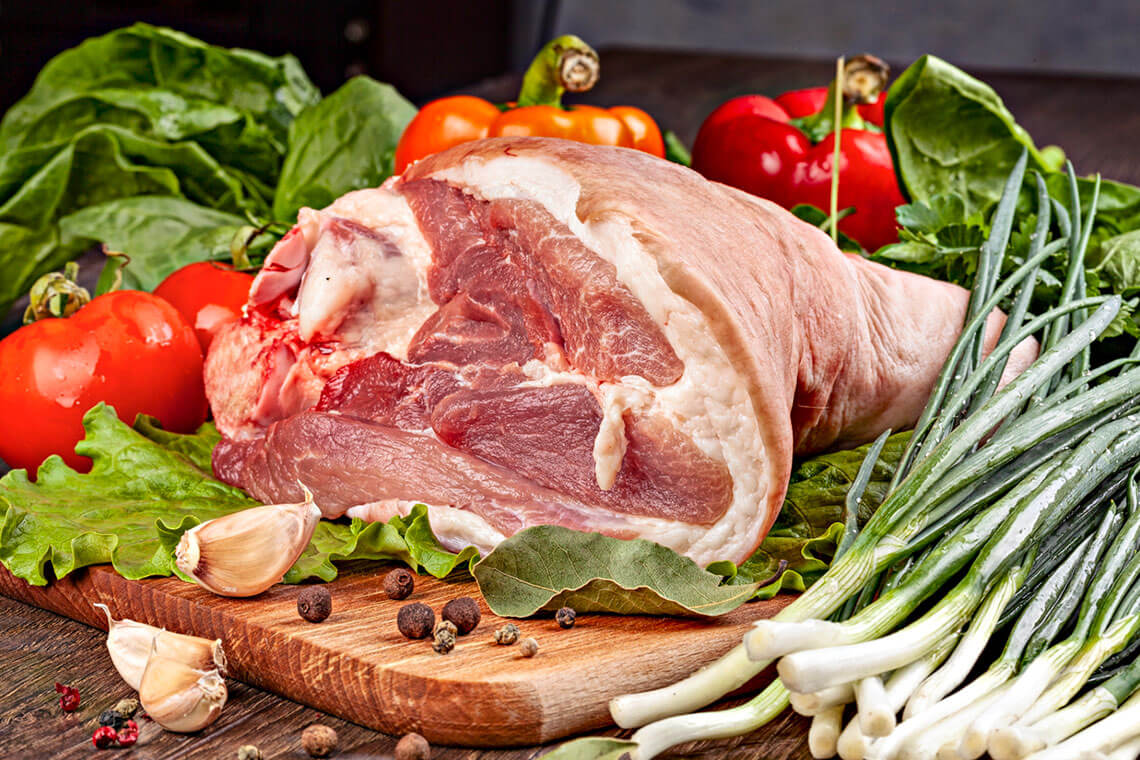
 Veal
Veal 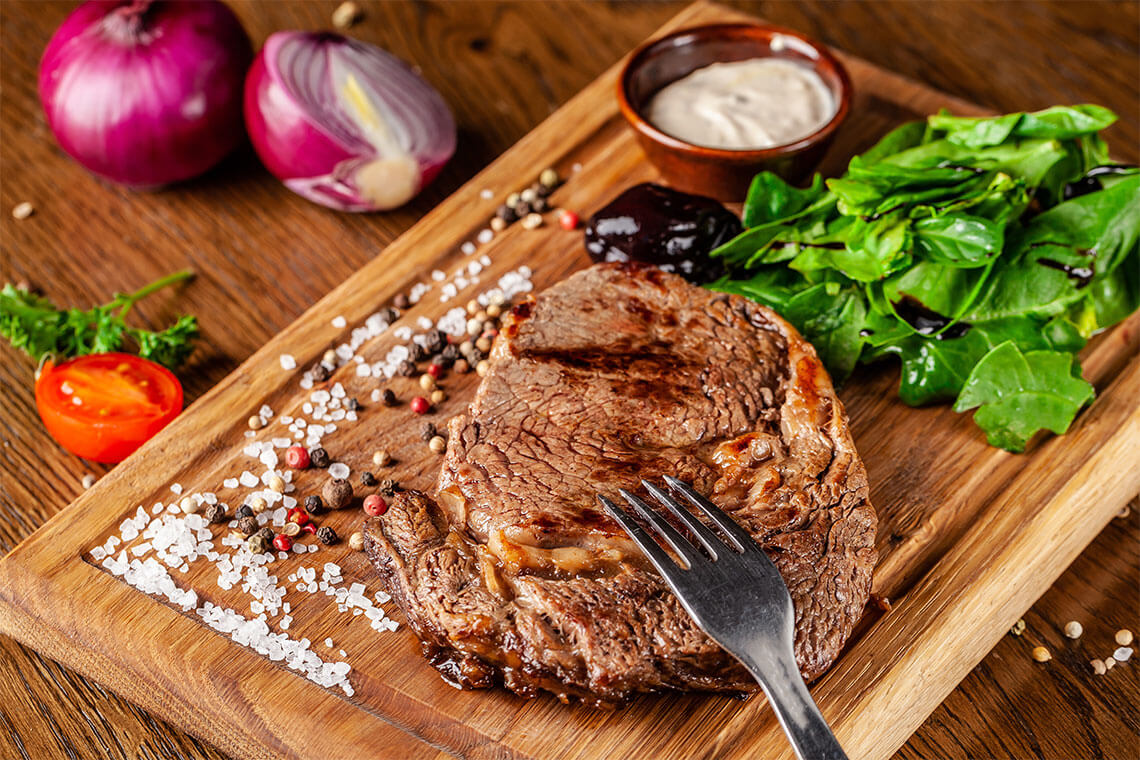
 Lamb
Lamb 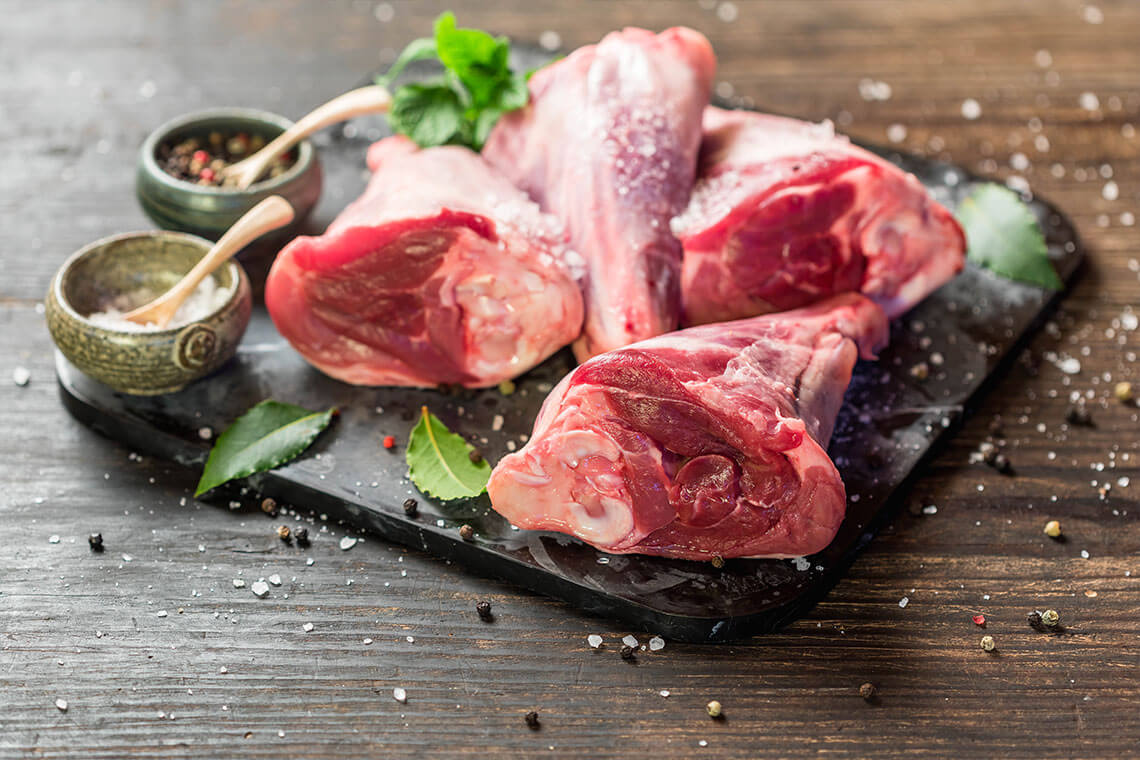
 Turkey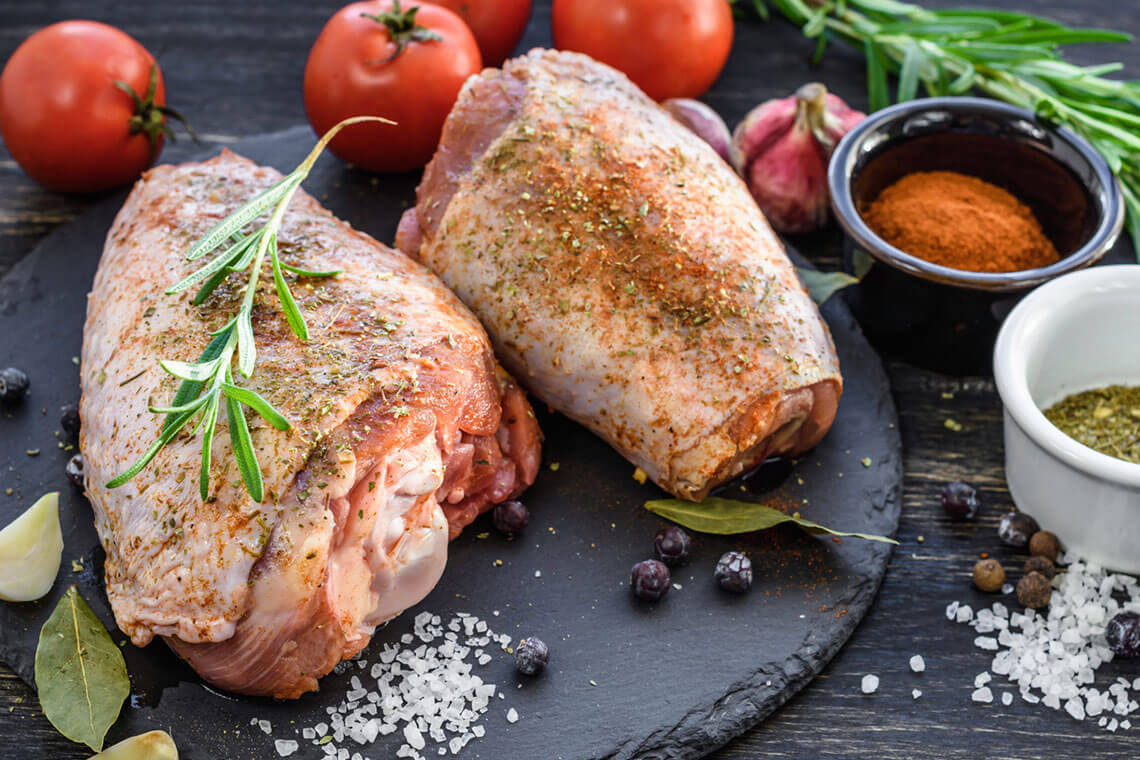
 Duck
Duck 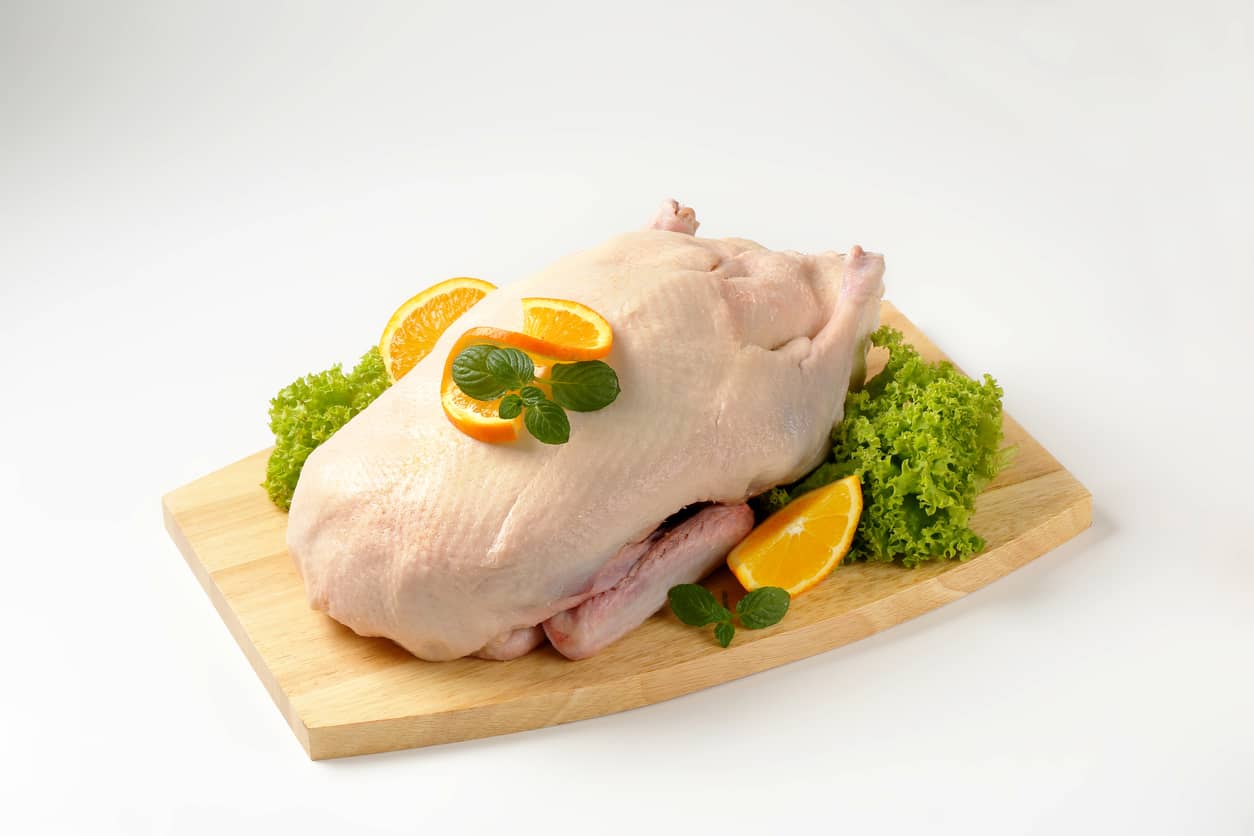
 Game
Game 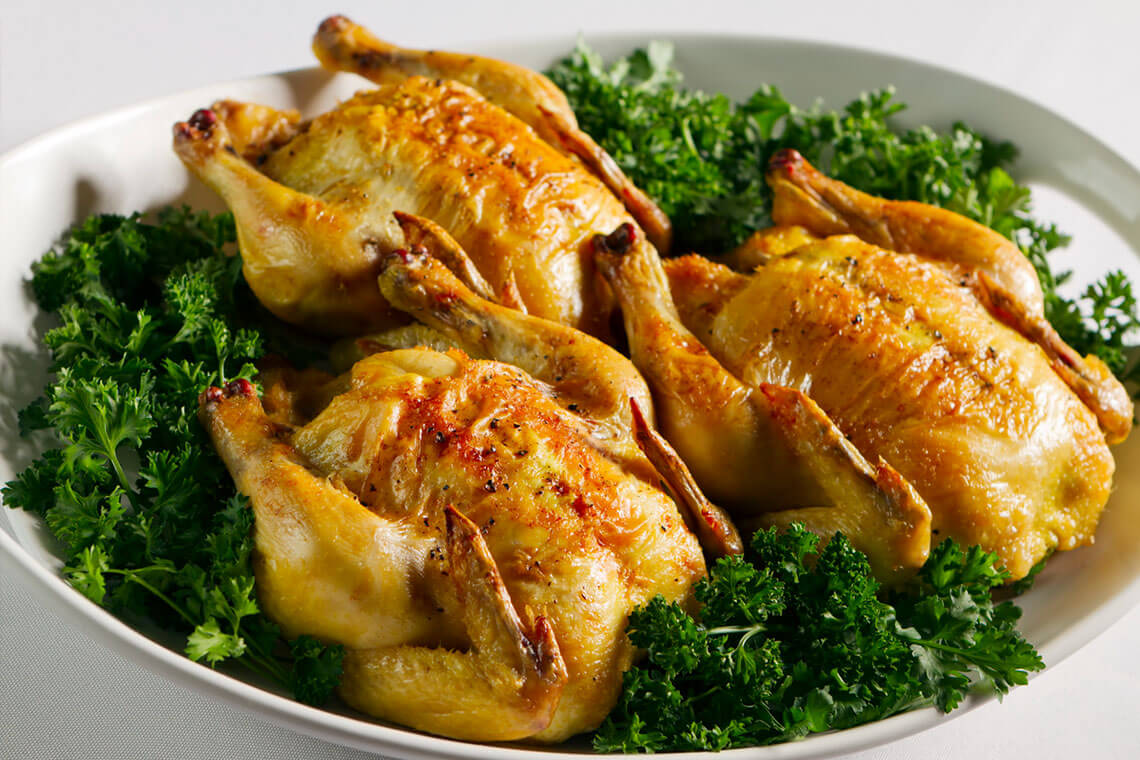

March and April are not clean breaks in Chicago kitchens. Winter does not disappear overnight. Guests may want lighter dishes, but cold evenings still demand warmth. Chefs are not simply swapping menus. They are balancing seasons.
Spring menu transition proteins for Chicago restaurants must do two things at once. They must feel lighter than January braises, yet substantial enough for unpredictable Midwest weather. They must support Easter features while still working in weeknight service. They must bridge the seasons without disrupting operations.
This is the moment when chefs think strategically. Not just about flavor, but about versatility, yield, and supplier reliability.
Understanding the Spring Menu Transition in Chicago
Spring in Chicago is gradual. Patio season teases. Temperatures fluctuate. Guest preferences shift slowly rather than suddenly.
During this period, chefs evaluate proteins that can evolve across preparations. A cut that works braised in March should also perform roasted or grilled in April. Inventory needs to remain flexible. Waste must stay controlled.
Proteins that bridge winter and spring menus are not trendy. They are operationally smart. They allow kitchens to adjust plating, sauces, and accompaniments without overhauling procurement.
Lamb: From Winter Braise to Easter Centerpiece
Lamb is one of the most versatile proteins during seasonal transitions. In late winter, lamb shanks and shoulder dominate braised plates. As Easter approaches, attention shifts to leg of lamb and roasted presentations.
A slow-braised lamb dish in March can evolve into a herb-crusted leg of lamb feature for holiday service. The core protein remains consistent. The presentation becomes lighter.
For Chicago restaurants planning Easter menus while still navigating cool evenings, lamb offers flexibility without operational disruption. Reliable meat suppliers who provide consistent sizing and trim ensure that both braised and roasted applications perform predictably.
Chicken and Whole Chicken: Lighter Without Losing Comfort
Chicken becomes increasingly important during spring transitions. Guests seek lighter dishes, but they are not yet ready for strictly summer fare.
Whole chicken roasted with fresh herbs can feel comforting on a cold night and refined when paired with spring vegetables like asparagus and peas. Chicken breasts support composed plates with citrus sauces. Thighs adapt well to grain bowls and lighter braises.
Chicken bridges comfort and freshness. It provides broad appeal across demographics and menu price points. For chefs managing food cost and cross-utilization, whole chicken allows multiple preparations from a single SKU, reducing complexity.
Leaner Beef Cuts That Adapt Across Seasons
Heavy winter braises using chuck or short ribs begin to taper off as temperatures rise. In their place, leaner beef cuts such as sirloin, top round, and strip loin gain traction.
These beef cuts can be roasted and sliced for warm grain salads, plated with spring vegetables, or featured in lighter steak presentations. They offer the richness guests expect without the heaviness of winter stews.
For Chicago operators, leaner beef cuts allow gradual menu evolution. The protein remains central, but sauces shift from thick reductions to herb-forward accompaniments.
Working with consistent meat suppliers ensures trim accuracy and portion control, especially as plating styles become more refined in spring.
Pork Loin and Pork Shoulder: Versatility in Transition
Pork performs exceptionally well during seasonal changeovers. Pork shoulder may anchor late-winter braises, while pork loin steps forward in spring as a leaner, roast-focused option.
Pork loin sliced medallions pair well with mustard sauces, early root vegetables, or lighter herb preparations. Pork shoulder can transition from heavy stews to refined pulled pork plates or composed entrées with seasonal sides.
The versatility of pork allows chefs to maintain familiarity while adjusting weight and presentation. During a spring menu transition, that flexibility reduces purchasing volatility and supports consistent margins.
What Chefs Actually Consider During Menu Planning
Spring menu planning is not just about flavor profiles. Chefs evaluate:
- How many SKUs can be cross-utilized
- Whether proteins can adapt across cooking methods
- If portion sizes align with shifting guest expectations
- How reliable their meat suppliers are during seasonal shifts
- Whether delivery schedules support holiday spikes like Easter
Proteins that bridge seasons reduce risk. They prevent over-purchasing. They minimize waste during unpredictable weather patterns.
Chicago chefs are not looking for novelty in March and April. They are looking for stability with room to evolve.
The Strategic Role of Meat Suppliers During Seasonal Shifts
Spring transitions require precision. As menus adjust, spec consistency becomes even more critical. A pork loin that varies in size complicates plating. Inconsistent beef cuts disrupt portion control. Variable lamb sizing affects holiday features.
Reliable meat suppliers do more than deliver product. They provide predictability. They help chefs forecast Easter volume. They ensure chicken, pork, lamb, and beef arrive ready for evolving presentations.
In a city as competitive as Chicago, that reliability becomes a strategic advantage.
Bridging the Seasons with Confidence
Spring menu transition proteins for Chicago restaurants are not about dramatic change. They are about controlled evolution.
Lamb shifts from braise to roast. Chicken lightens without losing comfort. Leaner beef cuts replace heavy winter stews. Pork loin steps forward as pork shoulder adapts.
The kitchens that navigate this transition successfully are the ones that plan early, cross-utilize intelligently, and work with meat suppliers who understand seasonal pressure.
Because spring in Chicago is not a reset. It is a bridge. And the right proteins carry your menu across it.