






 Chicken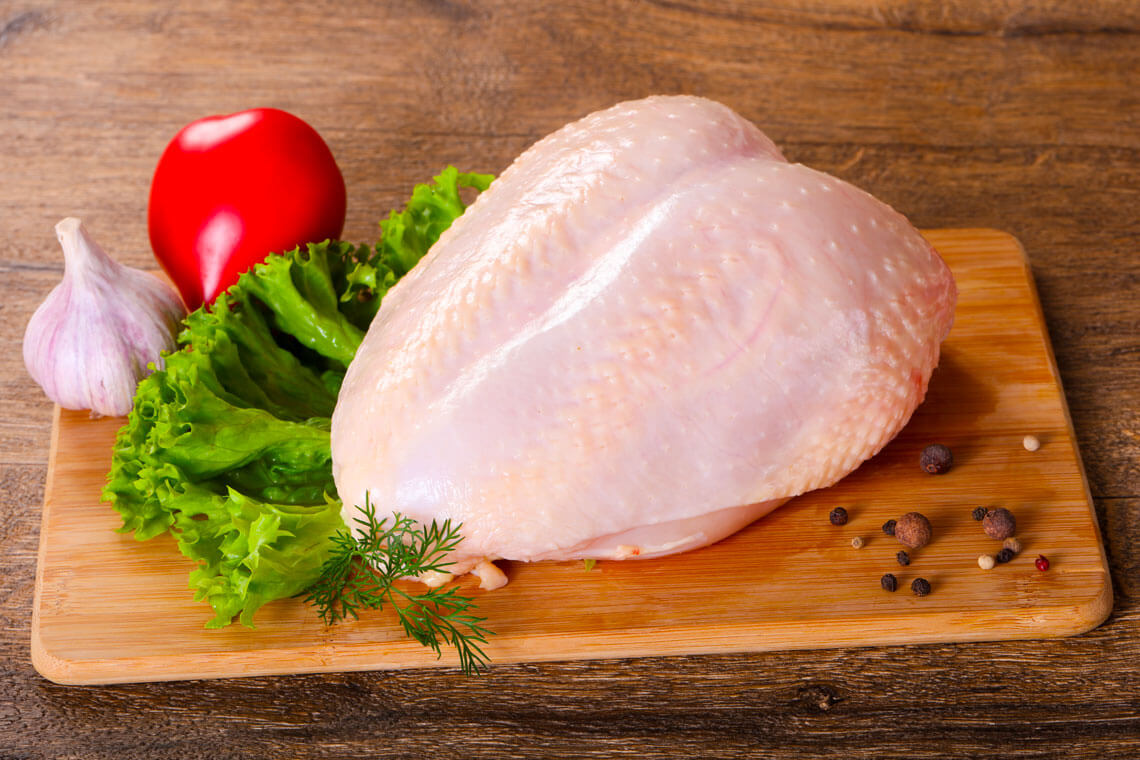
 Pork
Pork 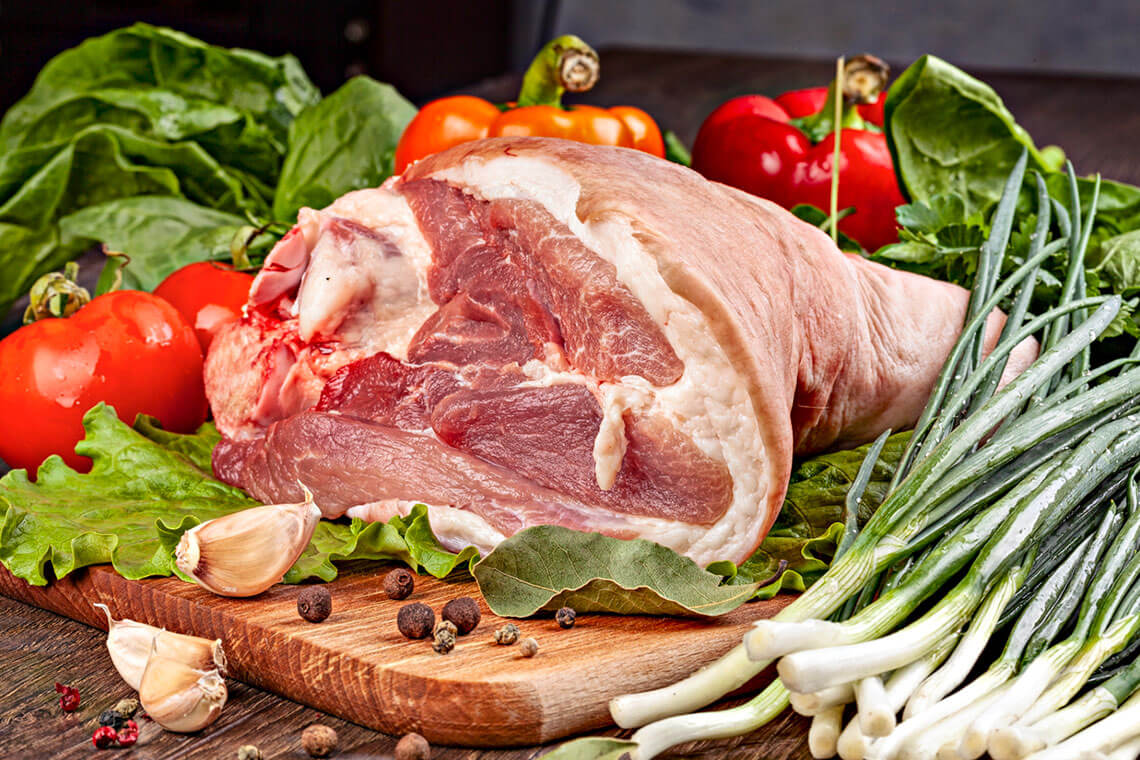
 Veal
Veal 
 Lamb
Lamb 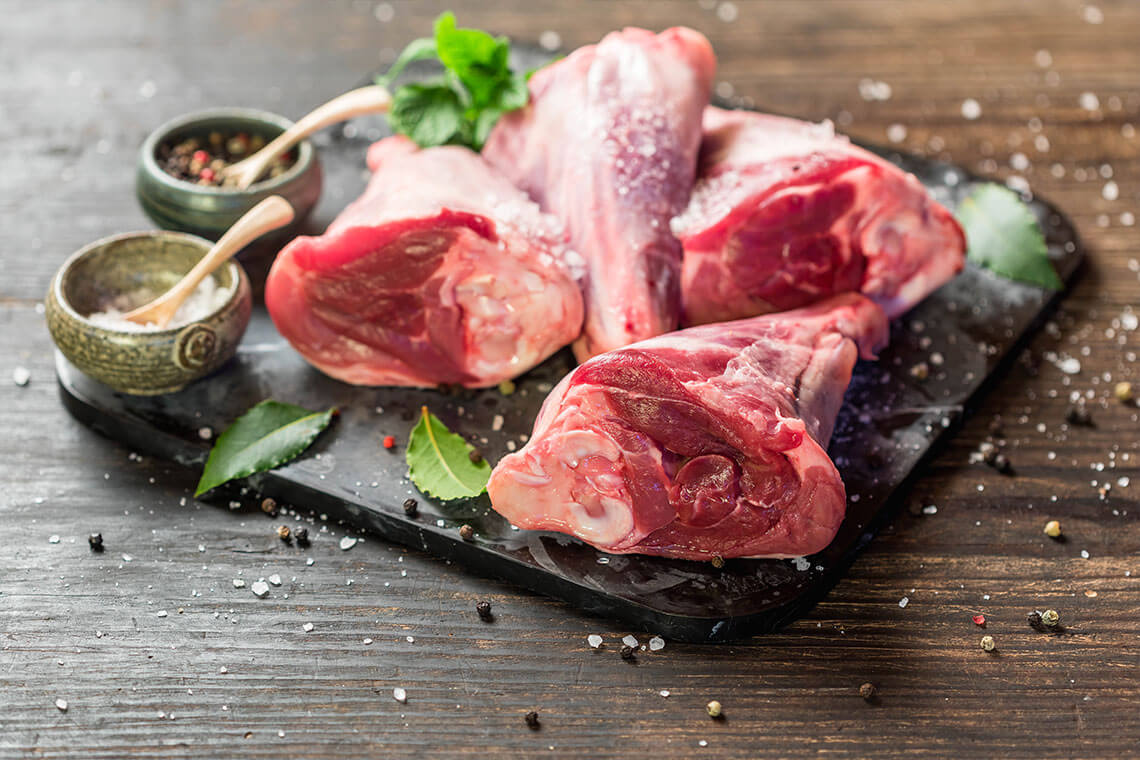
 Turkey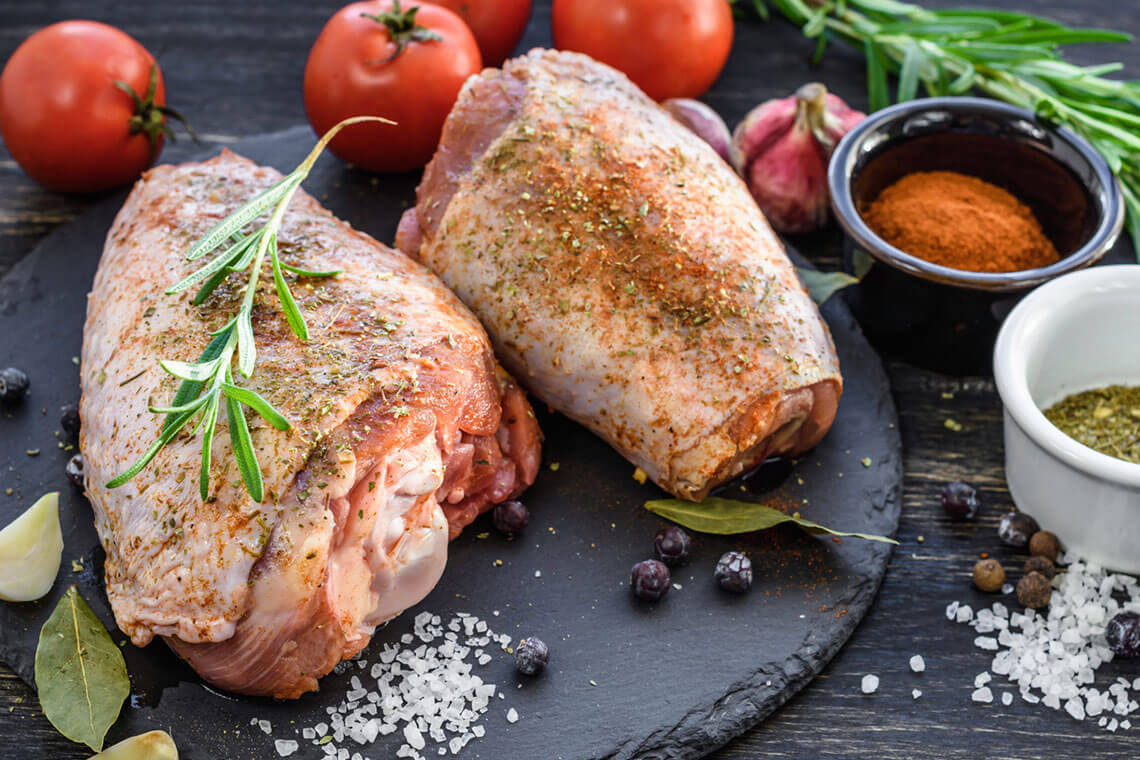
 Duck
Duck 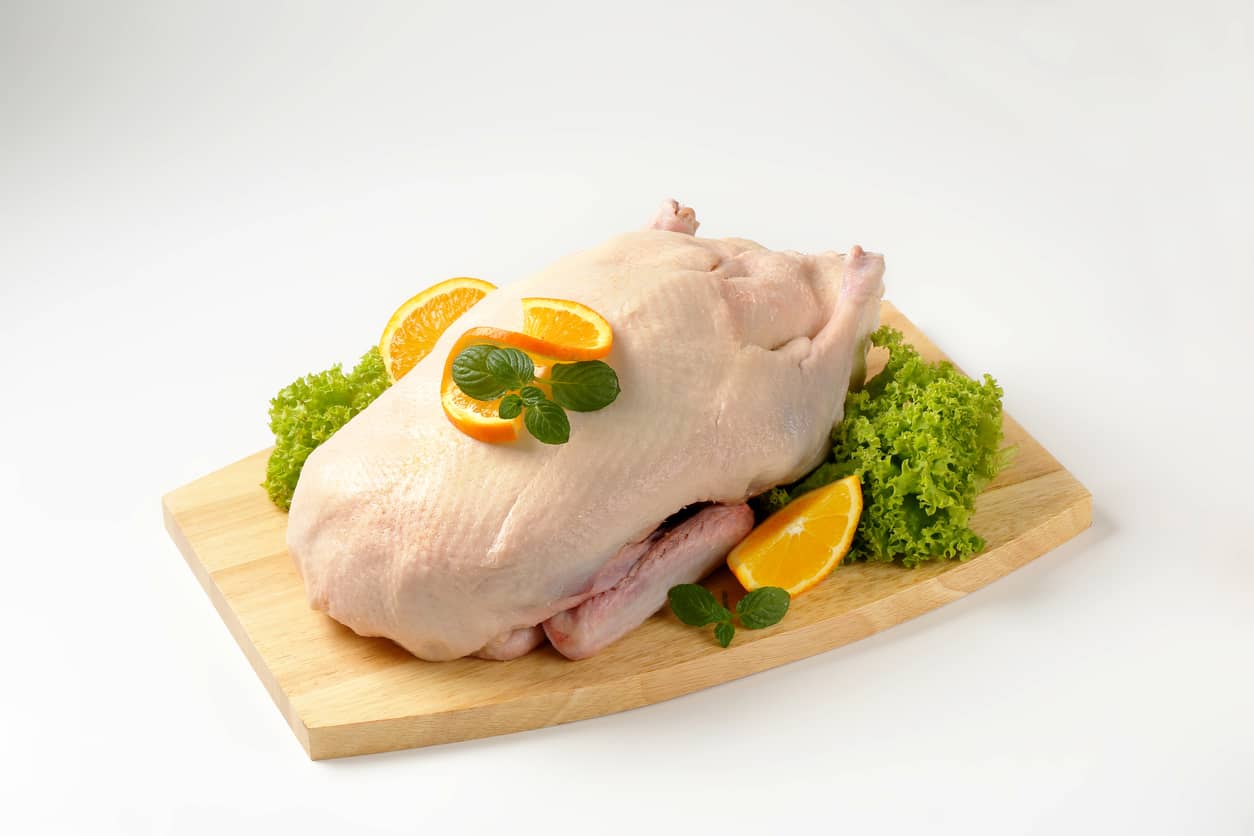
 Game
Game 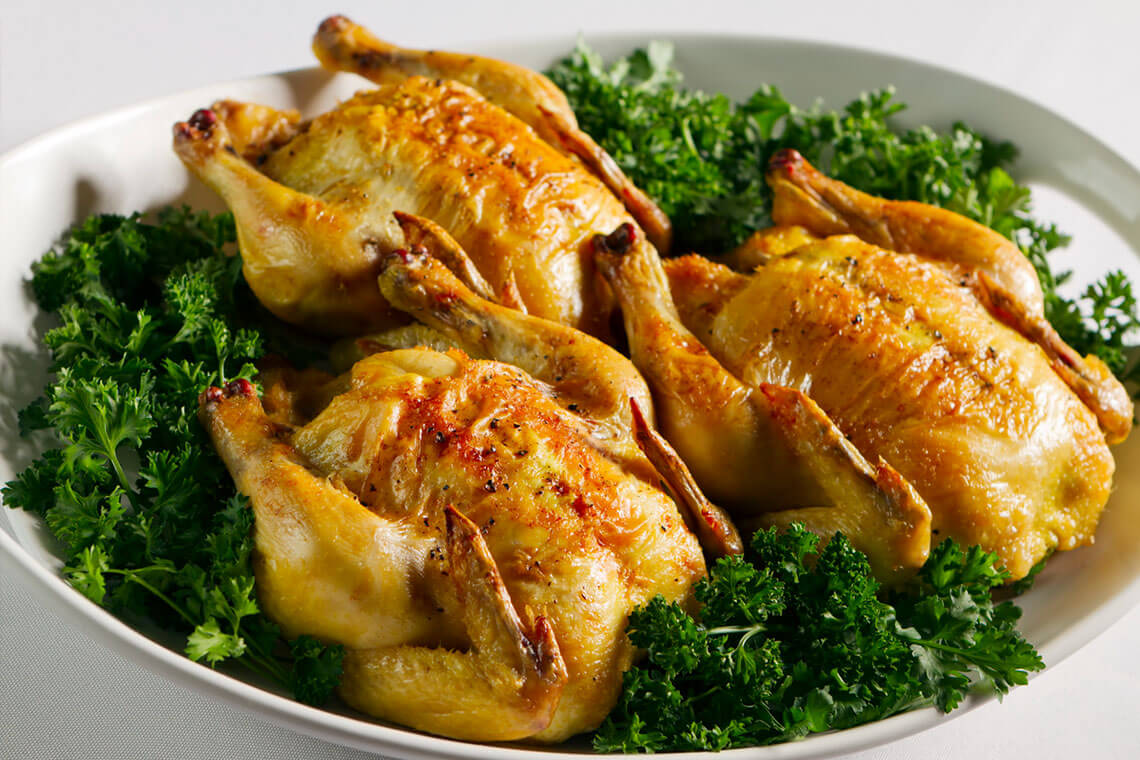
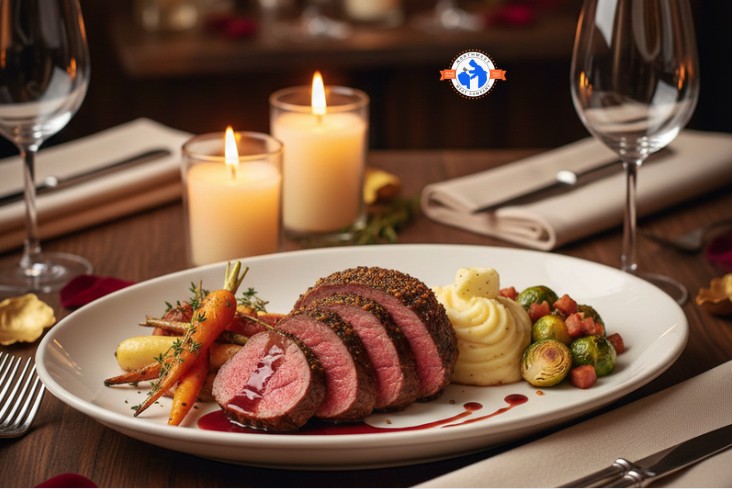
January is not a slow month. It is a clarifying one for Chicagoland restaurants. The noise of the holidays fades, dining rooms quiet slightly, and what remains is the truth of a menu. Guests are no longer chasing novelty or celebration. They are chasing comfort they can trust. In January, food is not entertainment. It is reassurance. It is warmth after a long day, familiarity without boredom, and nourishment that feels intentional rather than indulgent.
This is the month when diners subconsciously judge kitchens more harshly and more honestly. Plates are expected to arrive hot. Flavors must feel complete. There is no tolerance for excess or confusion. Every dish must justify its place on the menu. For chefs and operators, January becomes a proving ground. The best kitchens use this time to simplify, tighten execution, and rebuild menus around dishes that perform consistently in cold weather and real-world conditions.
Meat-based dishes sit at the center of that reset. Protein is the backbone of winter comfort, but not all cuts or preparations belong in January. Success comes from understanding how meat behaves in cold months, how texture and temperature influence satisfaction, and how seasonal pairings transform simple cuts into deeply comforting meals. When the right proteins meet the right techniques, January menus stop feeling like a recovery period and start feeling like a quiet advantage.
Understanding January Dining Behavior
January diners eat differently than they do during peak holiday months. Guests are often more mindful of spending and health, but they still want meals that feel satisfying. Many are continuing wellness goals from the new year, which means they respond well to dishes that feel hearty without being heavy.
Cold temperatures drive demand for slow-cooked, roasted, and braised dishes. Soups, stews, and oven-based preparations outperform lighter cooking methods during this period. January menus benefit from predictability, familiarity, and strong execution rather than novelty alone.
Restaurants that succeed in January focus on comfort and reliability. Menus are streamlined, portions are intentional, and proteins are chosen for their ability to perform consistently across services.
Choosing Meat Cuts That Deliver Winter Comfort
Not all meats perform equally in cold-weather menus. January favors cuts that develop flavor through slow cooking or roasting, as well as lean proteins that provide nourishment without excess.
Beef cuts such as chuck, short ribs, shank, and brisket are well suited to winter menus. When braised or slow-roasted, these cuts develop deep flavor and tender texture, making them ideal for stews, ragus, and plated comfort dishes. Leaner cuts like sirloin and top round also perform well when cooked carefully and paired with warming sauces or grains.
Chicken remains a staple in January due to its versatility and broad appeal. Whole chicken birds, thighs, and drumsticks are especially effective for roasting and braising. Chicken soups, pot pies, and casseroles provide warmth while allowing chefs to control fat and sodium levels. Air-chilled chicken offers superior texture and flavor, making it ideal for dishes where simplicity matters.
Pork is particularly well suited to cozy winter dishes. Cuts such as pork shoulder, loin, and tenderloin adapt well to roasting, slow cooking, and slicing for composed plates. Pork pairs naturally with winter flavors like apples, root vegetables, herbs, and gentle spices.
Lamb, while richer, brings warmth and depth to January menus. Leg of lamb, shoulder, and shank are excellent choices for slow-cooked preparations that emphasize comfort and tradition. When paired with grains, legumes, or vegetables, lamb dishes feel hearty without being overwhelming.
Cooking Techniques That Create Warmth and Depth
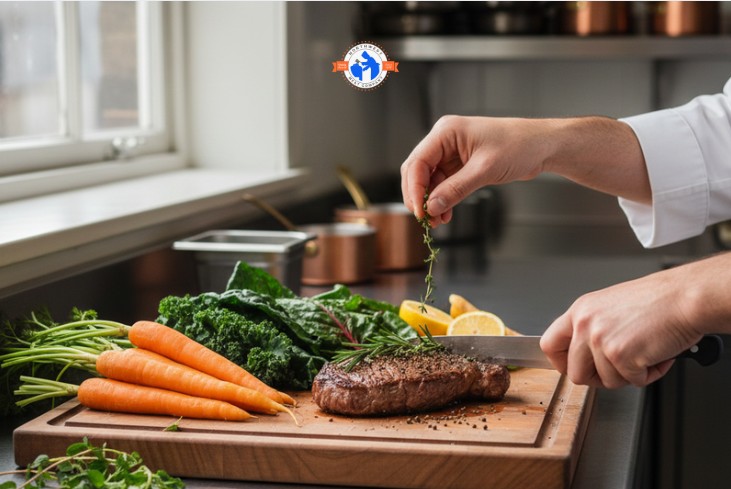
January menus benefit from cooking methods that emphasize moisture retention, texture, and layered flavor. Braising, roasting, and slow cooking are foundational techniques for winter success.
Braising allows tougher cuts to transform into tender, deeply flavored dishes. Using broth, vegetables, and herbs instead of heavy creams keeps dishes balanced while maintaining richness. Braised meats perform well in both plated entrees and bowl-based formats.
Roasting creates caramelization and warmth. Whole cuts of meat roasted at controlled temperatures develop flavor without requiring excessive fat. Roasted chicken, pork loin, and beef roasts provide visual appeal and operational efficiency.
Soups and stews are essential in January. Meat-based soups provide nourishment and comfort while allowing chefs to incorporate vegetables, grains, and legumes. These dishes appeal to diners seeking warmth and are also cost-effective and scalable.
Cozy Meat Dishes That Perform Well in January
January menus benefit from dishes that feel familiar but well executed. Beef stews with root vegetables, chicken and barley soup, braised pork with grains, and lamb shank with legumes are examples of dishes that resonate with winter diners.
Roasted meat plates paired with seasonal vegetables provide structure and comfort. Pork loin with apples and squash, roasted chicken with greens, and beef served with mushrooms and grains feel complete and intentional.
Casserole-style dishes, pot pies, and baked preparations also perform well. These dishes evoke familiarity and warmth while allowing chefs to manage portions and food cost.
Operational Considerations for January Menus
January is a month for control and planning. Traffic may be steadier, but margins matter. Selecting proteins that can be used across multiple dishes reduces inventory complexity and waste.
Portion control is especially important. Winter diners want satisfaction, not excess. Smaller portions of well-prepared meat often outperform larger, less thoughtful servings.
Reliable sourcing and delivery are critical in winter months. Cold weather increases the importance of disciplined cold chain management and predictable schedules. Restaurants benefit from working with meat suppliers who understand winter logistics and support consistent execution.
January is a month built on warmth, comfort, and consistency. Diners seek meals that nourish and satisfy while aligning with seasonal habits and wellness goals. Meat-based dishes, when prepared thoughtfully, deliver exactly that.
By focusing on the right cuts, winter-appropriate cooking techniques, and operational efficiency, restaurants can create January menus that feel cozy, intentional, and profitable. Warm meat dishes anchor winter dining and provide a strong foundation for the months ahead.